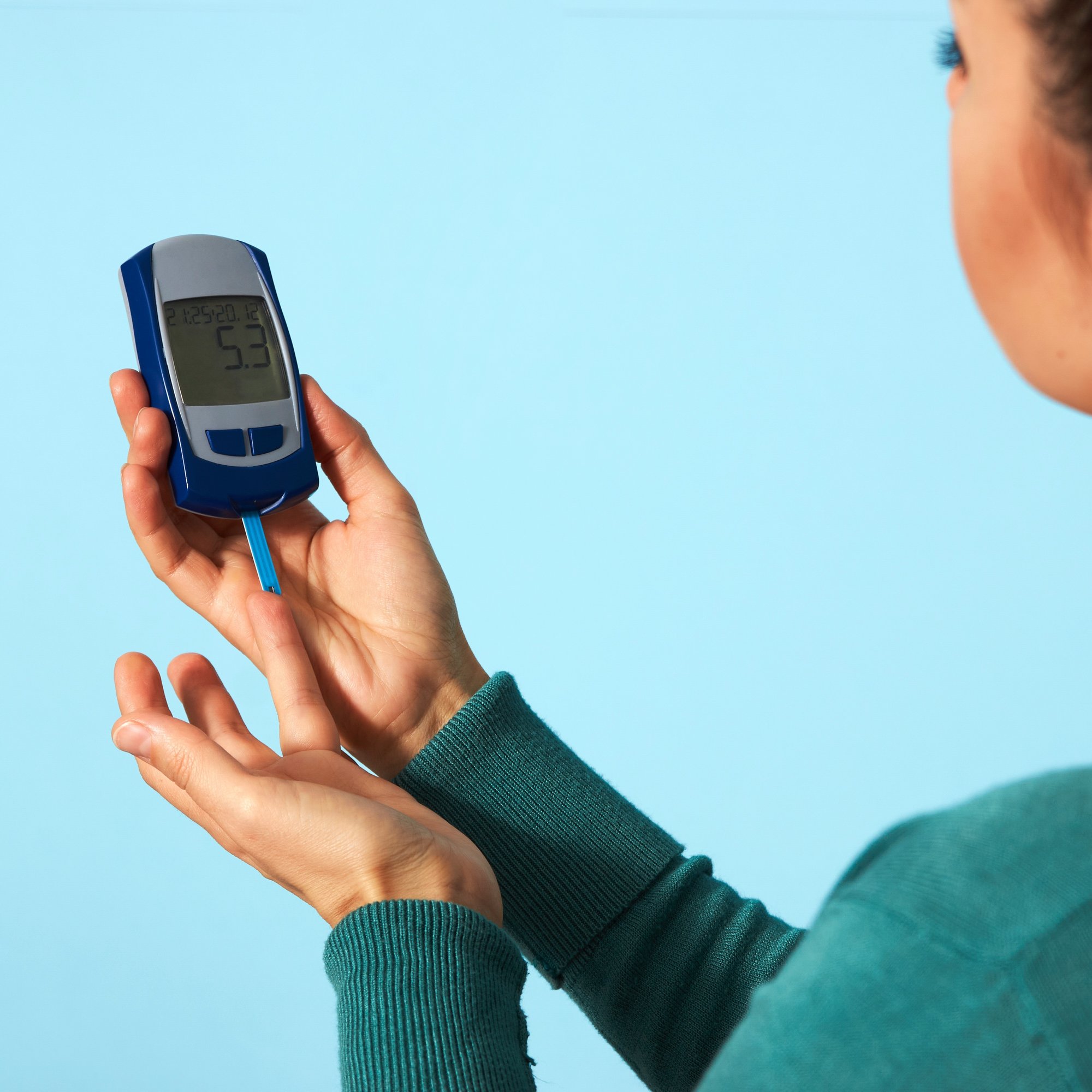
Looking Ahead in Type 2 Diabetes and Heart Risk 

Join our innovative clinical trial comparing an investigational drug to insulin glargine to research how well it lowers blood sugar and body weight in people with type 2 diabetes and increased cardiovascular risk.

Those who qualify and choose to participate may be compensated up to $3,000 for up to 19 in-clinic visits and 22 phone visits over approximately 2 years.

AdobeStock_476727385-2

About the Study 

This study is evaluating whether the injectable study drug is safe, effective, and well tolerated for lowering blood sugar and body weight in people with type 2 diabetes and increased cardiovascular risk. The study drug is an “investigational” because it has not been approved by the Food and Drug Administration (FDA).

If you qualify and choose to participate, there is a 50% chance you will receive the study drug, and a 50% chance of receiving insulin glargine. There is no placebo group in this study.

You will be in this study for approximately 2 years, which will include a screening period, a treatment period, and a follow-up period. The study will require up to 19 in-clinic visits and 22 phone visits. If you qualify and choose to participate, you may be compensated up to $3,000 for your study-related time and travel. Your participation is entirely voluntary, and you can leave the study at any time.


Why Should I Participate?

Those who qualify and choose to participate could receive: 

Access to the study

medication at no cost

Access to our top-tier team of board-certified physicians

at no cost

 Compensation of up to $3,000 for 19 in-clinic visits and 22 phone visits over approximately 2 years

Study Criteria 

To qualify to participate you must: 

  •  Be aged 45 or older
  •  Be diagnosed with type 2 diabetes
  • Have an increased cardiovascular risk, such as prior heart attack, coronary artery disease, stroke, chronic kidney disease, or symptomatic peripheral arterial disease
  • Be on 1–3 approved oral glucose-lowering medications for at least 90 days
  • Have a BMI of 25 or higher
  • Additional criteria applies
AdobeStock_391090312-2-1


Frequently asked questions

What is a research study or clinical trial?

A research study or clinical trial is the process a potential new drug, device, procedure, or process goes through to prove that it is safe, tolerable and effective for the condition it is being studied for. Research studies are the only way to advance medicine for future generations. 

Who can participate in a research study?

Each study has its own set of inclusion and exclusion criteria that a participant must meet before they are allowed to participate in a study. Patients from all backgrounds and walks of life are encouraged to participate 

What is Informed Consent?

Every participant in every research study must go through the informed consent process. During this, the trial doctor and research team go over what will happen in the study, what treatments you might get, how long the trial is expected to last, what happens during visits, the potential risks and benefits, and many other important facts about the study. Participants may withdraw their consent and discontinue the study at any time for any reason. 

What is a Placebo?

A placebo looks like a treatment but does not have any active medicine in it. Researchers use placebos to help make sure any changes in the participants’ health are actually caused by the study treatment. You do not get to choose if you get the study treatment or the placebo, and you may not know if you get the placebo until after the study. Not all research studies use a placebo. 

Why is Diversity Important?

If studies do not include diverse participants, we cannot know if treatments work for everyone who needs them. Studies only tell researchers how something works for the participants of that study, and they may not work the same in people of different races, ethnicities, ages, or sexes. 

How am I Protected?

All research studies must follow federal laws and ethical guidelines, including HIPAA. Studies must also be approved by an expert group called an institutional review board (IRB) that helps make sure the trial is fair and as safe as possible, and that any risks to the participants are worth the potential benefits.